

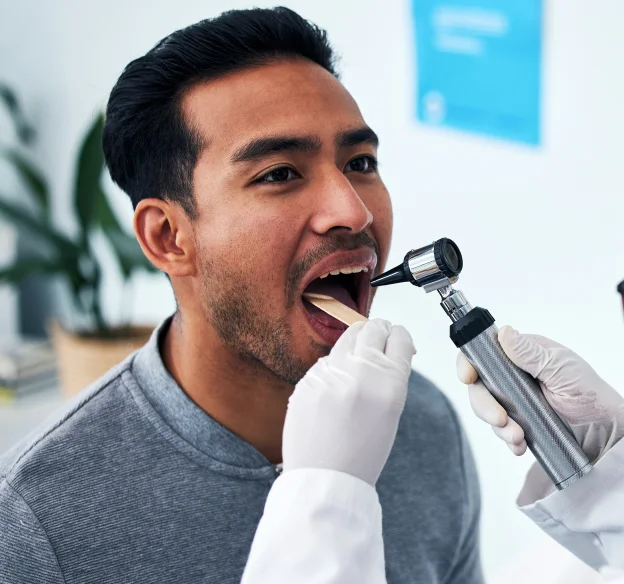
Why Oral Cancer Screenings Matter
A screening takes only a few minutes but can make a meaningful difference in catching potential concerns early. The benefits of routine screening go well beyond convenience.
- Identifies unusual changes in tissue before symptoms become noticeable
- Supports earlier diagnosis, which is closely linked to better treatment outcomes
- Requires no special preparation or downtime
- Adds no extra time or discomfort to a routine dental visit
- Provides peace of mind through consistent, proactive monitoring
- Helps track changes in oral tissue over time through regular visits
Signs Worth Bringing to Attention
Many oral changes are not cancerous, but persistent or unusual findings should not be ignored. Contact Terrell Family Dentistree for an evaluation when you notice changes such as:
- An oral sore or ulcer that does not heal as expected
- Persistent red or white patches in the mouth
- Unexplained lumps, swelling, or thickened areas
- Unusual bleeding, numbness, or tenderness
- Persistent throat discomfort or difficulty swallowing
- Changes affecting the movement of the tongue or jaw
- An ongoing sensation that something is caught in the throat
- Unexplained changes in the way oral tissues look or feel
Persistent symptoms do not automatically mean oral cancer, but they do deserve professional attention. An examination can help determine whether an area should simply be monitored or evaluated further.
What Happens During an Oral Cancer Screening
An oral cancer screening is quick, comfortable, and typically completed as part of a standard dental exam. Here is what the process generally involves.
Visual Examination
The lips, cheeks, gums, tongue, and roof and floor of the mouth are visually inspected for unusual color, texture, or sores.
Physical Examination
Gentle palpation is used to feel for any lumps, thickened areas, or abnormalities in the jaw, neck, and oral tissue.
Throat and Tongue Check
The tongue is examined from multiple angles, along with a visual check of the back of the throat.
Discussion of Findings
Any areas of concern are discussed clearly, along with recommended next steps if further evaluation is needed.
Ongoing Monitoring
Screenings are repeated at regular intervals, allowing any changes in oral tissue to be tracked over time.
Clear Guidance When Something Looks Unusual
At Terrell Family Dentistree, we understand that an unexpected finding can raise questions. Our team takes time to explain what was observed, what it may mean, and why follow-up may be recommended. When a finding needs care beyond the scope of a routine screening, appropriate referral or additional evaluation can be discussed so you are not left wondering what to do next.
Ongoing Support for Your Oral Health
Routine oral cancer screening works best alongside regular dental examinations and preventive care. At Terrell Family Dentistree in Terrell, TX, our team is available to evaluate concerns, explain findings, and help patients understand when additional evaluation may be needed. Call us at (972) 210-7254 to schedule an oral cancer screening or discuss an oral health concern with our team.
Schedule Your Oral Cancer ScreeningFrequently Asked Questions About Oral Cancer Screenings
Oral cancer screenings are typically performed at every routine dental exam, generally every six months, though patients at higher risk may benefit from more frequent monitoring.
No, an oral cancer screening is a painless process involving a visual and physical examination of the mouth, tongue, and surrounding tissue with no discomfort involved.
Common warning signs include sores that do not heal, unexplained lumps, white or red patches in the mouth, and persistent difficulty chewing, swallowing, or speaking.
Individuals who use tobacco products, consume alcohol heavily, have a history of HPV, or have significant sun exposure to the lips generally face a higher risk.
Yes, oral cancer screenings are typically included as a standard part of routine dental exams and do not require a separate appointment.
If an area of concern is identified, our team will discuss it clearly and, if needed, recommend further evaluation or referral for additional diagnostic testing.
Yes, while certain risk factors increase likelihood, oral cancer can affect patients of any age or health status, which is why routine screening is recommended for everyone.
Since screenings are typically included as part of a routine exam, they are generally covered under standard preventive dental insurance benefits. Contact our office to verify your coverage.