

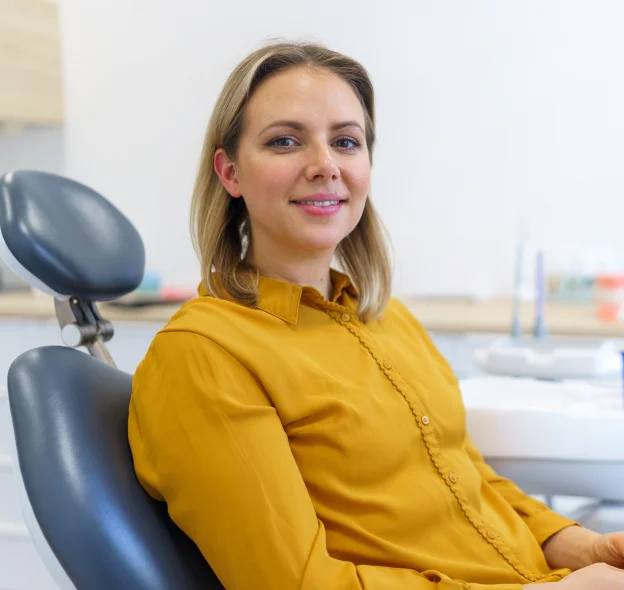
Why Routine Cleanings and Exams Matter
Skipping regular cleanings does not just mean more plaque, it can lead to a chain reaction of oral health issues that are far harder to reverse once they take hold. Consistent visits help catch problems while they are still small and manageable.
- Removes plaque and tartar that brushing alone cannot eliminate
- Reduces the risk of cavities, gum disease, and tooth loss
- Allows early detection of oral health issues before symptoms appear
- Freshens breath by eliminating bacteria buildup along the gumline
- Supports overall health, since oral health is closely linked to conditions like heart disease and diabetes
- Keeps your smile brighter by removing surface stains during polishing
Who Should Schedule a Cleaning and Exam
Cleanings and exams are recommended for nearly every patient, regardless of age or current oral health status. Children benefit from early habit-building visits, adults maintain their oral health through consistent monitoring, and patients managing gum disease or other concerns may need a more frequent cleaning schedule tailored to their needs. If it has been more than six months since your last visit, it is a good time to schedule one.
What Happens During Your Visit
A cleaning and exam appointment is designed to be thorough without feeling rushed. Here is what patients can typically expect from start to finish:
Review of Dental and Medical History
We start by reviewing any changes since your last visit, including new symptoms, medications, or concerns.
Comprehensive Oral Exam
Teeth, gums, and soft tissue are examined closely for signs of decay, gum disease, or other abnormalities.
Digital X-rays, if Needed
X-rays may be taken to check for issues below the surface that are not visible during a visual exam.
Professional Cleaning
Plaque and tartar are carefully removed from tooth surfaces and along the gumline using specialized instruments.
Polishing
Teeth are polished to remove surface stains and leave a smooth, clean feel.
Personalized Recommendations
We discuss any findings, answer questions, and outline next steps, whether that means scheduling further treatment or simply returning in six months.
Building Long-Term Oral Health Habits
A cleaning and exam is also a chance to refine your at-home routine. Our team offers practical guidance on brushing technique, flossing consistency, and product recommendations based on what we observe during your visit, so the progress made in the chair carries over into your daily habits at home.
Maintaining Your Oral Health Between Visits
At Terrell Family Dentistree in Terrell, TX, regular cleanings and exams are an important part of keeping your smile healthy. During each visit, our team can assess your teeth and gums, remove harmful buildup, identify potential concerns early, and provide personalized guidance to help you maintain good oral health between appointments.
- Brush twice a day: Use a fluoride toothpaste and brush thoroughly for about two minutes to help remove plaque and protect your teeth from decay.
- Clean between your teeth: Floss or use another interdental cleaning method daily to remove plaque and food particles from areas a toothbrush cannot reach.
- Limit frequent sugary foods and drinks: Reducing repeated sugar exposure can help lower the risk of cavities and support healthier teeth between professional visits.
- Pay attention to changes: Contact the practice if you notice tooth sensitivity, bleeding gums, persistent bad breath, discomfort, or other changes that may require evaluation.
- Keep recommended appointments: Regular dental cleanings and exams allow the team to monitor your oral health and address concerns before they become more complicated.
- Follow personalized recommendations: Our team can recommend home-care practices based on your oral health findings, helping you maintain cleaner teeth and healthier gums between visits.
Protecting Your Smile Starts With a Simple Visit
Consistent cleanings and exams are one of the easiest ways to stay ahead of dental problems before they start. If it has been a while since your last checkup, there is no better time to get back on track.
Book Your Appointment TodayFrequently Asked Questions About Cleanings & Exams
Most patients benefit from a dental cleaning and exam every six months. However, the recommended frequency may vary depending on your oral health, gum condition, dental history, and risk of developing dental concerns.
Dental cleanings are generally comfortable for most patients. You may experience mild pressure or sensitivity when removing tartar, particularly around sensitive gums or areas with significant buildup, but discomfort is usually minimal.
A dental exam evaluates your teeth, gums, bite, and surrounding oral tissues for signs of cavities, gum disease, damaged restorations, and other concerns. The examination may also include oral cancer screening and digital X-rays when appropriate.
No, X-rays are not necessarily needed during every dental cleaning appointment. Your dental team may recommend them periodically or when symptoms, existing concerns, or clinical findings indicate that images are needed for further evaluation.
Plaque naturally begins accumulating again after a professional cleaning, especially along areas that are difficult to reach. Maintaining consistent brushing, flossing, and regular cleanings can help keep your teeth feeling cleaner and smoother.
Yes, routine dental exams can identify concerns that may not produce noticeable symptoms. Early cavities, gum disease, damaged teeth, and other oral health changes can sometimes be detected before they cause discomfort or become more advanced.
Children receive dental cleanings and examinations tailored to their age, development, and oral health needs. Visits may also emphasize preventive care, oral hygiene education, and helping children build comfortable, positive dental habits.
If an oral health concern is identified, the dental team will explain the findings and discuss appropriate next steps. Depending on the situation, this may involve monitoring the area, additional evaluation, preventive care, or recommended treatment.