

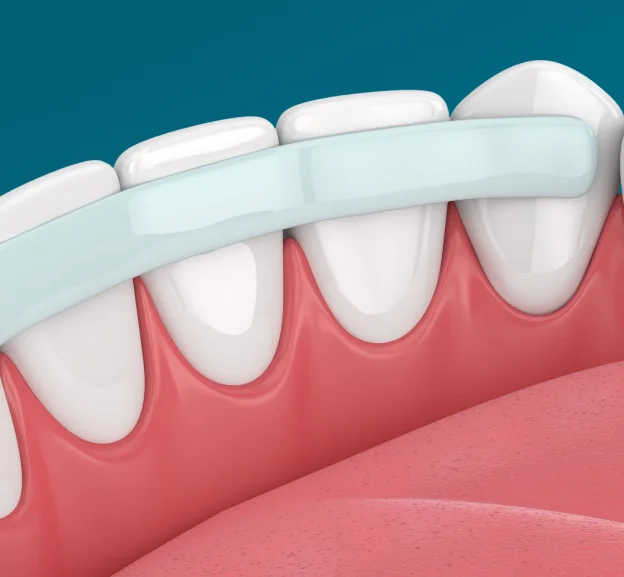
Dental Bonding Can Address Several Cosmetic Concerns
Because composite bonding can be shaped directly on the tooth, treatment can be tailored to a range of minor appearance concerns. The appropriate use of bonding depends on the condition of the tooth and the cosmetic change being requested.
- Repairing a small chip or uneven edge
- Improving the appearance of a minor tooth gap
- Adding shape to teeth that appear uneven or slightly short
- Camouflaging certain discoloration concerns
- Creating a more uniform appearance across selected teeth
How Long Does Dental Bonding Last?
Dental bonding can provide lasting cosmetic improvement when cared for properly, although its lifespan varies based on the tooth treated, bite forces, oral habits, and daily care. Bonding may require touch-ups or replacement over time, particularly when placed on areas exposed to frequent chewing pressure.
Maintaining good brushing and flossing habits, avoiding habits such as biting hard objects, and attending routine dental visits can help protect the bonded material. During regular examinations, the dentist can check the condition of your bonding and recommend repair or replacement if signs of wear, chipping, or damage develop.
How Dental Bonding Shapes a Better Smile
Dental bonding is planned around the tooth or teeth being improved. During the visit, the dental team evaluates the area, discusses the desired result, and carefully shapes the bonding material so the finished restoration complements the surrounding smile.
Evaluate the Tooth
The dental team examines the tooth and surrounding structures to determine whether bonding is appropriate and what type of cosmetic improvement is realistic.
Discuss the Desired Appearance
Your concerns and smile goals are reviewed so the shape, shade, and overall look of the bonding can be planned appropriately.
Prepare the Tooth
The tooth is prepared as needed so the composite material can adhere properly. Preparation is generally conservative and focused on the area being treated.
Apply and Shape the Composite
Tooth-colored composite resin is placed on the tooth and carefully shaped to improve its contour, proportion, or appearance.
Harden and Refine the Bonding
The material is hardened, then refined and polished to create a smooth surface and a natural-looking transition with the surrounding teeth.
Caring for Teeth After Dental Bonding
Dental bonding should be cared for much like your natural teeth, with consistent brushing, cleaning between your teeth, and routine dental examinations. Brush twice daily and floss or clean between your teeth regularly to help maintain good oral health and protect the bonded areas. Avoid habits that can place excessive force on the bonding, such as biting hard objects, opening packages with your teeth, or chewing particularly hard foods when bonding has been placed along a biting edge.
Regular dental visits allow the dentist to monitor the condition of the bonding and address any changes early. If the bonding chips, feels rough, becomes uncomfortable, or changes noticeably in appearance, contact the practice so it can be evaluated and repaired or adjusted when needed.
Improve Your Smile in a Single Visit
Dental bonding can be a practical option for patients who want to improve minor imperfections without pursuing more extensive cosmetic treatment. Terrell Family Dentistree is available to evaluate your concerns, answer questions, and help you determine whether cosmetic bonding is a suitable way to enhance your smile in Terrell, TX. Call us at (972) 210-7254 to book your dental bonding appointment with us.
Schedule Your Dental Bonding ConsultationFrequently Asked Questions About Dental Bonding
Dental bonding typically lasts between three and ten years, depending on the location of the bonded tooth, oral habits, and how well it is cared for over time.
Anesthesia is often unnecessary for bonding since the procedure does not usually require removing significant tooth structure, though it may be used for added comfort in some cases.
Yes, dental bonding is commonly used to repair small chips by applying and shaping composite resin to restore the tooth’s natural appearance and structure.
Bonding is generally less durable than veneers or crowns since the composite material is more prone to staining and chipping, though it remains a strong option for minor repairs.
Yes, the composite resin used in bonding is carefully shade-matched to blend seamlessly with the surrounding teeth for a natural-looking result.
Bonded teeth should be brushed and flossed like natural teeth, while avoiding excessive biting force on hard foods and limiting stain-causing beverages to help maintain their appearance.
Yes, composite resin can gradually pick up stains from coffee, tea, or tobacco use, though good oral hygiene and periodic polishing can help maintain its appearance.
Dental bonding is considered a semi-permanent treatment. While long-lasting, bonded areas may eventually need touch-ups or replacement as the material naturally wears over time.